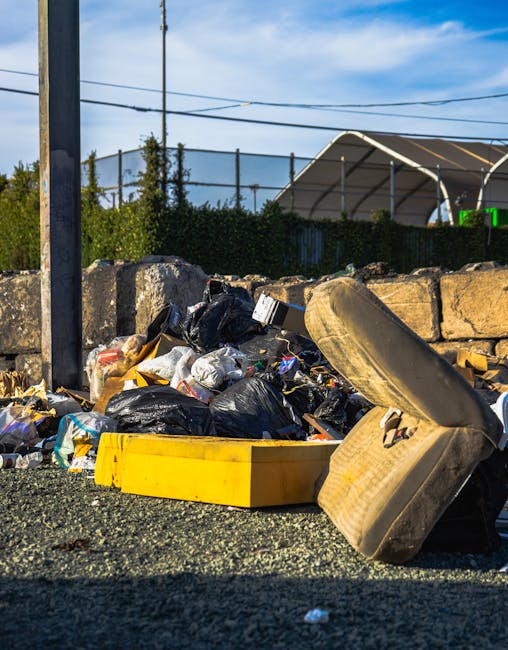
Rubbish removal rules in Bloomsbury: legal disposal steps
If you are clearing out a flat near Russell Square, emptying an office close to the Brunswick Centre, or just trying to get rid of a sofa that has been leaning by the hallway for far too long, the rules around waste disposal can feel a bit oddly specific. That is because they are. Rubbish removal rules in Bloomsbury: legal disposal steps are not just about chucking things away; they are about sorting waste correctly, using approved disposal routes, and avoiding fly-tipping or unsafe handling.
In practice, the legal side matters more than most people expect. A bag left beside the wrong bin, a mattress dumped with household waste, or rubble passed to an unlicensed carrier can become your problem fast. This guide breaks the process into plain English: what the rules mean, how legal disposal works, what to do step by step, and how to choose the safest route when time is tight.
It is written for real-world situations, not theory. You will find practical advice for household clearances, student moves, office waste, bulky items, and the awkward in-between stuff everyone forgets about until the night before collection day. Let's make it straightforward.
Table of Contents
- Why these rules matter in Bloomsbury
- How legal rubbish disposal works
- Key benefits and practical advantages
- Who this is for and when it makes sense
- Step-by-step guidance
- Expert tips for better results
- Common mistakes to avoid
- Tools, resources and recommendations
- Law, compliance, standards and best practice
- Options and comparison table
- Case study or real-world example
- Practical checklist
- Conclusion
- Frequently Asked Questions
Why Rubbish removal rules in Bloomsbury: legal disposal steps Matters
Bloomsbury has the usual London pressure points: limited space, busy pavements, shared access, resident complaints, and very little tolerance for waste left where it should not be. That makes legal disposal more than a box-ticking exercise. It is about keeping the street usable, protecting neighbours, and avoiding avoidable hassle.
There is also the simple fact that waste is your responsibility until it is handed to the right person in the right way. If you give items to someone who then dumps them illegally, you may still be asked to explain where that waste came from. Nobody wants that phone call. Truth be told, it is one of those jobs that looks easy until it is not.
In a dense area like Bloomsbury, the practical problems are often small but annoying: narrow entrances, permit zones, timed collections, and shared bin stores. A missed step can mean bags sit in a corridor, attract attention, or block access for everyone else. That is why a careful, legal process matters even for "just a few bits".
Practical takeaway: the safest rubbish removal approach is to sort waste first, confirm what needs special handling, and only pass it to a lawful disposal route you can trust.
How Rubbish removal rules in Bloomsbury: legal disposal steps Works
The legal disposal process is usually less complicated than people fear. It follows a simple idea: identify the waste, separate what can be reused or recycled, and send the rest to an authorised collection or disposal point. Sounds basic, yes. But that basic bit is where most mistakes happen.
In everyday terms, legal disposal generally means:
- sorting items before collection rather than leaving mixed waste together;
- keeping hazardous, electrical, and bulky waste apart where required;
- checking whether the item can be reused, donated, or recycled;
- making sure the person removing waste is properly set up to carry it;
- using a route that leaves you with clear evidence of responsible disposal.
For residents and businesses, the rules tend to be shaped by three things: what the item is, how much you have, and whether it can go with standard household waste. A broken chair and a leaking tin of paint are not treated the same way. Nor should they be.
In Bloomsbury, the logistics matter too. A bag placed outside at the wrong time can become a nuisance. A contractor arriving without enough space to load safely can create delays. And if a building manager has specific refuse rules, they usually need to be followed before anything leaves the property. You will notice that the "legal" part often depends on the boring admin being done properly first.
What counts as rubbish?
Rubbish is a broad word, but in practical terms it includes household refuse, unwanted furniture, packaging, office clear-out waste, garden waste, electricals, and construction debris. The disposal method depends on the type. For example, furniture pick-up is usually a very different conversation from bagged general waste, which is why a service like furniture pick-up can be useful when the main problem is bulky items rather than a full clearance.
What makes disposal legal?
Legal disposal means the waste is handled by an appropriate route, not just moved out of sight. That can involve council collections, licensed waste carriers, recycling centres, or a reputable removal service. If the waste is taken away by a carrier, it should be dealt with lawfully and not dumped down the road somewhere inconvenient for everyone else.
Key Benefits and Practical Advantages
Doing rubbish removal properly saves more than just the stress of wondering whether you have done it right. There are several practical gains, and they are felt quickly.
- Lower risk of fines or disputes: especially where waste is dumped incorrectly or left in shared areas.
- Cleaner access and safer movement: hallways, stairwells, and entrances stay usable.
- Better recycling outcomes: items separated properly are easier to divert away from landfill.
- Less time lost: sorting beforehand prevents multiple trips and awkward last-minute decisions.
- More predictable costs: a defined disposal plan usually avoids surprise add-ons or emergency fixes.
There is also a quieter advantage that people often forget: peace of mind. When you know the waste has gone through the right route, you do not keep second-guessing yourself. That matters more than it sounds, especially during a move, renovation, or office clear-out when your brain is already juggling a dozen other things.
For anyone trying to keep a move efficient, it can be helpful to think of waste removal as part of the wider logistics. If you are coordinating packing, loading, and access, broader support from removal services or a removal company may be a better fit than trying to improvise on the day.
Who This Is For and When It Makes Sense
This topic is relevant to far more people than you might expect. In Bloomsbury, the common use cases are a mix of domestic, student, and commercial needs.
- Flat and house residents: for clear-outs, refurbishment waste, and bulky household rubbish.
- Students and sharers: when end-of-term disposal creates a sudden pile-up of items.
- Landlords and managing agents: for left-behind belongings, bin-store issues, and turnover waste.
- Office teams: for document clearance, old chairs, packaging, and general relocation waste.
- Trades and renovators: for mixed debris, packaging, and safe disposal planning.
It tends to make sense to bring in outside help when:
- the waste is too bulky to move safely alone;
- the item needs careful handling or sorting;
- you do not have the right vehicle;
- building access is awkward;
- you are unsure whether an item needs special disposal.
If you are moving rather than clearing out, waste control is usually part of the wider process. That is where a man with van or man and van setup can help keep the job tidy without turning the day into a half-legal guessing game.
Step-by-Step Guidance
Here is the part most readers want: what to actually do. Keep it simple and you will usually stay on the right side of the rules.
- Identify every item. Separate general waste, reusable items, electricals, bulky items, and anything potentially hazardous. A quick "pile and sort" on the floor is better than mixing everything in black bags and hoping for the best.
- Check whether anything can be reused. Good-condition furniture, working appliances, and boxed household goods may be suitable for resale, donation, or a second life. Reuse should usually come before disposal.
- Isolate special items. Paint, cleaning chemicals, batteries, sharp metal, and damaged electricals deserve extra care. Do not assume they can go with the rest.
- Decide on the disposal route. Use council collection where appropriate, a recycling route for recyclable materials, or a waste removal option for bulkier loads. If you need help with mixed loads, a removals service may be more practical than a single-trip car boot solution. That never ends well, to be fair.
- Prepare access. Make sure pathways are clear, lifts are protected if required, and items can be moved without blocking neighbours or staff.
- Keep records where useful. For commercial or shared-property waste, it is smart to keep notes, receipts, or confirmations. Even a simple record of what was removed and when can save trouble later.
- Confirm the waste is gone through a proper route. If you are using a removal firm, ask how items will be handled, especially if there are recyclables or awkward items in the mix.
A small but useful habit: label piles before collection. It sounds almost too simple, but it reduces confusion when movers arrive and someone asks, "Is this staying or going?" which always seems to happen five minutes before the van doors close.
Expert Tips for Better Results
Over time, the best results usually come from a few unglamorous habits. Nothing flashy. Just tidy planning and clear decisions.
- Sort first, lift second: never start moving mixed waste before you know what each pile is.
- Use a two-stage decision for furniture: keep, donate/resell, or remove. That is cleaner than debating every object individually.
- Think about weight, not just volume: a few heavy bags or a broken wardrobe can be harder than a full room of soft packaging.
- Protect surfaces and stairs: old plaster, narrow landings, and shared hallways do not thank you for dragging sharp edges over them.
- Ask about recycling handling: good operators should be able to explain how they separate recyclable material in a sensible way.
- Book realistically: if the job is bigger than it first looked, allow more time. Most clear-outs expand. They just do.
If you are dealing with an office move or business premises, it may also be worth reading the site's office removals and commercial moves pages for a better sense of how waste and relocation often overlap.
Common Mistakes to Avoid
The most common errors are usually not dramatic. They are small, ordinary shortcuts that become annoying later.
- Leaving waste in shared areas: this can create access issues and complaints from neighbours or building management.
- Mixing everything together: it reduces recycling options and makes special handling harder.
- Ignoring electrical items: old appliances and electronics often need separate treatment.
- Using an unknown carrier: if something goes wrong, you may have little evidence of where the waste went.
- Forgetting access restrictions: Bloomsbury streets and buildings can be more awkward than they look on a map.
- Underestimating the load: what feels like "a few bits" can turn into two van loads and a sore back.
Another quiet mistake is assuming the same disposal method works for everything. It does not. A mattress, a stack of cardboard, and renovation rubble all behave differently in legal terms and in practical terms. If that sounds fussy, well, it is fussy. But useful fussy.
Tools, Resources and Recommendations
You do not need much equipment, but a few basic tools make rubbish removal smoother and safer.
- Heavy-duty sacks or boxes: for separated general waste and recyclable materials.
- Labels or marker pens: to mark "keep", "remove", "recycle", and "special handling".
- Gloves and basic protective gear: especially for dusty loft clear-outs or sharp-edged items.
- Dolly or sack truck: very useful for heavy furniture or stacked items.
- Simple inventory list: helpful for office or landlord clearances.
If you want a more environmentally minded approach, the site's recycling and sustainability information is a sensible companion read. For complex removals, movers or a moving van option can be a better match than trying to bundle waste disposal into a car-sized problem.
For peace of mind around trust and handling, it is also worth looking at the company's insurance and safety approach and its health and safety policy. Those pages do not replace your own judgment, of course, but they can give you a useful sense of how seriously the provider treats risk.
Law, Compliance, Standards, or Best Practice
This is the section people often skim, then regret skimming later. In the UK, waste responsibility is not something to wave away. The big principle is simple: waste should be passed only to someone who is entitled and equipped to carry it, and it should end up being treated lawfully.
For householders, the practical best practice is to sort waste properly, use the correct collection route, and avoid dumping anything where it does not belong. For businesses, the standard is usually higher because records, duty of care, and internal controls matter more. If you manage an office or rented building, keeping evidence of disposal is just sensible. No drama, just good housekeeping.
Special waste needs extra caution. That includes batteries, liquids, chemicals, and some electrical or contaminated materials. Do not guess if something looks unusual. If in doubt, separate it and handle it cautiously. It is better to pause than to create a compliance headache over one item that could have been treated properly.
Building rules matter too. Some properties in Bloomsbury have strict loading windows, bin-staging rules, or concierge instructions. Follow them. They are not there to be awkward, usually. They exist because shared buildings can go sideways very quickly when waste is left in the wrong place.
Options, Methods, or Comparison Table
Choosing the right disposal method depends on the item, urgency, and access. Here is a practical comparison to help you decide without overthinking it.
| Method | Best for | Advantages | Limitations |
|---|---|---|---|
| Household collection | Routine rubbish and some approved items | Simple and familiar | May not suit bulky or mixed loads |
| Recycling route | Cardboard, metal, some furniture, and separable materials | Better environmental outcome | Requires sorting and preparation |
| Special handling | Batteries, chemicals, damaged electricals | Safer and more compliant | Extra time and segregation needed |
| Removal service | Bulky or mixed waste, clear-outs, moves | Fast and practical | Must be chosen carefully and lawfully |
In real life, people usually need a mix of these rather than one perfect option. A flat clearance might involve donation for some items, recycling for others, and a removal team for the rest. That is normal. The neatest jobs are usually the ones where someone thought ahead for twenty minutes.
Case Study or Real-World Example
A fairly typical Bloomsbury scenario goes like this: a two-bedroom flat is being cleared after a move, and the household has a broken wardrobe, a few bags of general waste, packaging from new furniture, and one old printer that nobody wants to look at too closely. The temptation is to pile everything in one corner and deal with it later. Later, naturally, never arrives.
The better approach is more orderly. The cardboard goes one way, the reusable items another, and the printer is separated because electricals need more care. The wardrobe is assessed for removal, not just dragged out blindly, because it is heavy and awkward in a narrow stairwell. A removal team arrives with the right vehicle, checks access, loads carefully, and takes the waste through a lawful route. That is the difference between a stressful afternoon and a boringly successful one.
What stood out in that kind of job, from a practical standpoint, is that the sorting beforehand saved time on the street. There was no standing around with doors open while everyone debated what to do with a half-filled bag of mixed bits. Small thing. Big difference.
Practical Checklist
Use this before you book or move anything.
- Have I identified every item that needs to go?
- Have I separated reusable, recyclable, and general waste?
- Are there batteries, liquids, paint, or electricals in the load?
- Do I know who is taking the waste and how it will be handled?
- Is access clear in the building, stairwell, and street?
- Do I need help with bulky furniture or awkward lifting?
- Have I kept any useful records or notes for the clearance?
- Have I checked whether the building has special waste rules?
- Have I planned enough time for sorting and loading?
- Would a broader moving service be easier than trying to do everything separately?
If several of those answers are "not yet", do not worry. That is exactly the point of a checklist. It saves you from discovering the problem at the worst possible moment, usually with a van waiting and the lift stuck on another floor.
Get a free quote today and see how much you can save.
Conclusion
Rubbish removal in Bloomsbury is not hard because the rules are impossible. It is hard because the area is busy, access can be tight, and different waste types need different handling. Once you break it down into sorting, safe handling, and lawful disposal, the process becomes much more manageable.
The smartest approach is to treat waste as part of the wider move or clearance, not as an afterthought. Separate items early, use the right route, and choose support that actually understands local access and disposal responsibilities. That is how you stay compliant without making the day heavier than it needs to be.
And if the whole thing feels like one more job on an already full plate, that is fair enough. Clear-outs can be tiring. But with the right steps, they do not have to be messy. One careful move at a time, that is usually enough.
Frequently Asked Questions
What are the basic rubbish removal rules in Bloomsbury?
The basic rules are to sort waste properly, avoid leaving rubbish in shared spaces or on the street, and use a lawful disposal route for anything you remove. Mixed waste, electricals, and bulky items should be handled with extra care.
Can I leave rubbish outside my building for collection?
Only if the building rules and collection arrangements allow it. In shared properties, leaving rubbish outside too early or in the wrong place can cause access issues and complaints. Timing matters more than people think.
Do I need to separate recycling from general rubbish?
Yes, it is best practice to separate recyclable materials from general waste wherever possible. It supports lawful disposal, makes collection easier, and avoids mixing items that should be treated differently.
What should I do with old furniture?
Check whether it can be reused, donated, or removed through a bulky waste route. If it is damaged or too awkward to move safely, a furniture removal or pick-up service is often the simplest option.
Are electrical items treated differently?
Usually, yes. Old electronics, appliances, and batteries may need separate handling. Do not mix them with ordinary household rubbish unless you are certain the disposal route accepts them.
How do I know if a waste carrier is legitimate?
Ask how they handle disposal, what happens after collection, and whether they can explain their process clearly. A trustworthy operator should be able to talk plainly about where waste goes and how it is managed.
Is rubbish removal different for businesses in Bloomsbury?
It often is. Businesses usually need more structured disposal, better records, and stronger attention to compliance. Office waste, packaging, and old equipment should be handled in a more controlled way than casual domestic rubbish.
What happens if waste is dumped illegally after I hand it over?
You may still be asked questions if the waste can be traced back to you. That is why choosing a responsible disposal route matters. Keep records where practical and avoid handing waste to anyone you do not trust.
Can I dispose of renovation waste with normal rubbish?
Usually not. Heavy debris, rubble, and construction waste often need a different route from household rubbish. It is safer and more sensible to separate them before collection or booking removal.
What is the easiest way to handle a flat clearance?
Sort everything first, set aside reusable items, separate special waste, and book the right help for bulky or mixed loads. A planned approach is almost always easier than trying to decide item by item on the day.
Do I need insurance or health and safety checks for rubbish removal?
If you are hiring a provider, it is wise to check their insurance and safety approach, especially for lifting, access, and shared property risks. It is one of those details that feels boring until it saves the day.
What should I do first if I am unsure about an item?
Separate it from the rest and do not mix it into general waste until you know how it should be handled. That one step prevents a lot of mistakes, and sometimes that is enough to keep the whole job on track.