Bloomsbury removals: parking tips near Russell Square
Posted on 26/05/2026
Parking is often the hidden variable that decides whether a Bloomsbury move feels calm or chaotic. If you are planning removals near Russell Square, the van space you secure, the timing you choose, and how well you prepare access can save serious time on the day. In a neighbourhood with busy streets, controlled bays, narrow roads, and plenty of foot traffic, a good parking plan is not a luxury. It is part of the move itself.
This guide breaks down how Bloomsbury removals near Russell Square work in practice, what to think about before the van arrives, and how to avoid the small mistakes that create big delays. You will also find practical checklists, a comparison table, and sensible links to related moving advice, including the full services overview, flat removals support, and packing and boxes help if you want to prepare more efficiently.
Truth be told, most moving-day problems near Russell Square are not caused by lifting alone. They usually start with parking, loading distance, and access timing. Get those right, and the rest becomes much more manageable.
Why Bloomsbury removals: parking tips near Russell Square Matters
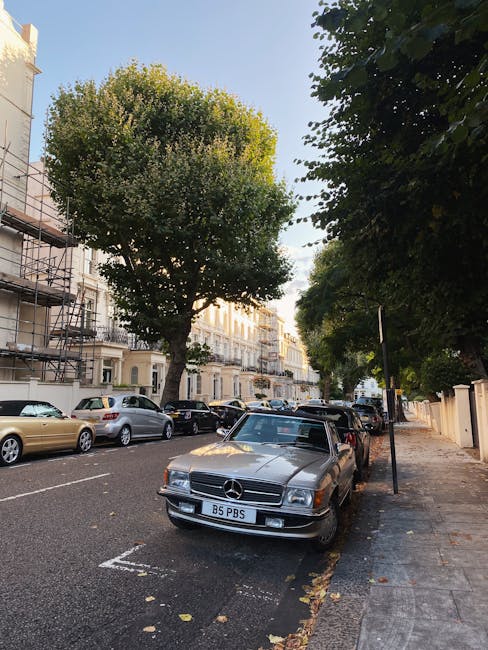
Russell Square sits in a part of London where convenience and congestion often exist side by side. That matters because removals are time-sensitive. A van that cannot stop close to the property means more walking, slower loading, higher chance of congestion, and more strain on everyone involved. For a small student move, that might mean several extra trips. For a larger household move, it can become the difference between a controlled schedule and a day that runs late from the first hour.
Parking also affects safety. When the vehicle is forced to wait awkwardly in traffic or double-park near a busy street, the loading team has less room to work and more exposure to passing vehicles and pedestrians. If you are moving furniture, fragile items, or heavy boxes, a shorter and safer carry is usually better for both the items and the people moving them.
That is why parking strategy should be planned alongside packing and route planning, not after the van has already arrived. If you are still in the early stages, it can help to read about organised packing for a move and decluttering before you relocate; lighter loads are simply easier to manage when parking is tight.
Key point: near Russell Square, the best parking solution is usually the one that reduces walking distance, avoids last-minute stress, and gives the loading team uninterrupted access to the property entrance.
How Bloomsbury removals: parking tips near Russell Square Works
At a practical level, parking for a Bloomsbury move near Russell Square comes down to matching your removal plan to the street environment. That means checking where a van can reasonably stop, whether a loading bay or paid parking space is available, whether suspension or temporary waiting restrictions apply, and how far the items will need to travel from the property to the vehicle.
In many city moves, the parking plan is built around one of three patterns:
- Direct outside access: the van can stop close to the entrance for immediate loading.
- Short-walk loading: the vehicle parks a little further away, but the route is still manageable and safe.
- Managed loading: the move is timed around parking restrictions, permits, or a pre-arranged waiting window.
Because Bloomsbury streets can vary from one block to the next, the best approach is to treat parking as a local access problem, not a generic "find a space" task. A good mover will think about turning space, height restrictions, nearby bays, and how quickly the van can be moved if needed. That is especially useful if you are arranging man and van support in Bloomsbury or a more substantial house removal service.
If your move involves awkward items, such as a sofa, piano, or bed base, parking becomes even more important. A short and direct route helps reduce handling time. That is one reason people often choose specialist help for furniture removals or piano removals, rather than trying to manage long carries from a distant parking spot.
Key Benefits and Practical Advantages
The value of a good parking plan is easy to underestimate until moving day arrives. Then it becomes obvious.
- Faster loading and unloading: less time spent walking items back and forth.
- Lower risk of damage: fewer handovers, fewer corners, and fewer opportunities for bumps.
- Reduced physical strain: the team does not waste energy on long carries before the real lifting even begins.
- Better timing: the schedule is more likely to stay on track, especially if you are coordinating keys or building access.
- Less street-level stress: fewer awkward conversations with drivers, neighbours, or passers-by.
There is also a financial angle. Parking delays often create knock-on costs in moving time, especially if the team is waiting for access or covering extra distance repeatedly. While no reputable company likes to surprise customers with avoidable delays, the reality of city logistics means better parking often equals better value.
For people moving out of flats or smaller properties, parking can be even more important than floor level. A second-floor flat with a sensible loading position may be easier than a ground-floor property with terrible access. If you want to understand how that plays into property type and carrying distance, see the guidance on flat removals in Bloomsbury.
Who This Is For and When It Makes Sense
This advice is useful for anyone moving in or around Bloomsbury, but it is especially relevant if your property sits near Russell Square, you are moving on a weekday, or you have limited help. It is also highly relevant if you are moving bulky furniture, student contents, office equipment, or a mixed household load with fragile items.
You will probably benefit most if you are:
- a tenant moving in or out of a central London flat;
- a student with limited time between tenancy dates;
- a household managing stairs, lifts, and narrow hallways;
- an office that needs a clean loading window;
- someone booking a same-day or short-notice move;
- a customer arranging specialist handling for large or valuable items.
For students, the challenge is often a lighter load but tighter timing. For households, the challenge is usually volume and furniture size. For offices, it is often access coordination and keeping disruption to a minimum. Each scenario needs a slightly different parking approach.
If your move is urgent, it can help to look at same-day removals in Bloomsbury. If you are planning a longer transition, storage may be more sensible, and storage options in Bloomsbury can reduce pressure on moving day.
Step-by-Step Guidance
The easiest way to manage parking near Russell Square is to work backwards from the move date. Here is a practical approach that keeps decisions simple.
- Check your exact address and entrance point. Do not assume the front door is the best loading point. Side entrances, service access, or nearby side streets can sometimes be more workable.
- Identify the likely vehicle size. A smaller removal van may fit into tighter spaces, but it still needs enough room to stop safely and unload without causing problems.
- Look for loading opportunities early. If a loading bay or short-stay bay is available, plan around it rather than hoping for a last-minute gap.
- Allow for walking distance. If the van must park further away, make sure you have trolleys, straps, and enough people to keep the carry controlled.
- Prepare items before the van arrives. Boxes sealed, furniture wrapped, and labels visible all save time once parking is secured.
- Build in timing slack. Central London traffic can be variable. A move that begins ten minutes late can easily become thirty minutes late if parking was not planned.
- Confirm building rules. Some properties have strict entry windows, concierge procedures, or communal access restrictions. These matter just as much as the street outside.
- Have a backup plan. If your preferred bay is occupied, know your next best option before the team arrives.
A good moving day usually feels calm because the decisions were made early. That sounds obvious, but many people leave parking until the van is already circling the block. In Bloomsbury, that is a risky habit.
Expert Tips for Better Results
Below are the small improvements that make a noticeable difference near Russell Square.
- Time your arrival to avoid peak pressure: earlier starts often give you more choice, but only if building access also works.
- Keep the route from door to van clear: bikes, plant pots, mats, and loose clutter can turn a short carry into an awkward one.
- Use proper lifting technique: parking may be the headline issue, but safe lifting still matters. If you want a refresher, the guide on kinetic lifting principles is worth a read.
- Protect the most fragile items first: mirrors, TVs, glass shelves, and lamps should be ready to load quickly once the van is in position.
- Label for speed, not decoration: a simple room label on each box is more useful than ornate marking that nobody can decode under pressure.
- Measure large items in advance: if something barely fits through the door, do not let parking be the thing that turns a tight move into a disaster.
One simple but effective habit is to assign someone to watch the vehicle and surrounding space while others carry items. It sounds basic. It is basic. And it prevents the "the van was fine, then suddenly it wasn't" moment that every mover dislikes.
If your load contains a bed, mattress, or other bulky soft furnishings, it helps to review bed and mattress moving tips before the day arrives. Those items are manageable when planned, awkward when improvised.

Common Mistakes to Avoid
Most parking-related problems are avoidable. The tricky part is that they usually feel harmless right up to the moment they cause a delay.
- Assuming a space will be available: central London parking is too unpredictable for guesswork.
- Ignoring loading distance: a space that is "close enough" on paper can still mean a long carry in reality.
- Not checking restrictions: bays, time limits, and local signage need attention before the move starts.
- Arriving without a backup route: if your first choice is taken, hesitation wastes time.
- Forgetting building access details: keys, buzzer codes, and concierge instructions matter more than many people expect.
- Leaving boxes unfinished: if you are still taping boxes while the van is parked, you are burning your best loading window.
Another common mistake is overestimating what one person can safely carry from a distant van position. The fact that an item can be moved does not mean it should be moved repeatedly over a long distance. If you are tempted to tackle heavy items alone, the advice in solo lifting for heavy objects is a sensible reality check.
And if the move is already feeling rushed, be careful not to cut corners with packing just because parking is difficult. Good packing reduces breakage, confusion, and loading time. The two go hand in hand.
Tools, Resources and Recommendations
You do not need specialist equipment to manage a Bloomsbury move well, but a few practical tools make life much easier.
- Furniture blankets and wraps: protect corners and surfaces during a short or long carry.
- Straps and tape: keep boxes closed and furniture stable while in transit.
- Hand trolley or sack truck: especially helpful if you have to park a little further away.
- Floor protection: useful in both the property and building communal areas.
- Clear labels: save time when loading and unloading in a hurry.
For people who want a smoother move from end to end, these related resources are useful: a stress-free house moving guide, organised packing advice, and pre-move cleaning guidance. Taken together, they support the same goal: less friction on moving day.
If you are comparing service levels, it is worth looking at removal services in Bloomsbury and local removal companies so you can match the support level to your load, not just to your budget.
Law, Compliance, Standards, or Best Practice
Parking near Russell Square is not only a logistics issue. It can also involve local parking restrictions, traffic rules, access permissions, and building-specific requirements. Because these details can change and may depend on the exact street, vehicle, and time of day, it is wise to confirm current arrangements rather than rely on assumptions.
Best practice usually includes:
- checking signs and restrictions on the day before the move and again on the day itself;
- avoiding unsafe stopping positions, even if they look convenient;
- respecting loading windows and access rules for residential blocks;
- keeping pavements and entrances as clear as possible;
- using safe lifting and handling methods for all heavy items.
If your move involves special items or higher risk handling, make sure you understand the mover's safety approach. The pages on insurance and safety and health and safety policy are a good place to start. For a broader view of how the company works and what support is available, about the team and pricing and quotes are also useful.
If you are unsure about a permit, bay, or loading arrangement, check with the relevant local authority guidance or building management. That is the safest and most reliable route.
Options, Methods, or Comparison Table
Not every move near Russell Square needs the same parking approach. The right method depends on the property, the volume of items, and the urgency of the move.
| Approach | Best for | Advantages | Trade-offs |
|---|---|---|---|
| Park as close as possible | Small to medium loads, short moves, fast loading | Fastest carry, less fatigue, simple unloading | May be limited by restrictions or availability |
| Use a planned loading bay | Flat moves, furniture-heavy jobs, timed access | More predictable, often safer and tidier | Requires advance checking and timing discipline |
| Short-walk parking with trolley support | When close parking is unavailable | Flexible, often realistic in busy streets | Needs more labour and careful route management |
| Staged loading from storage or split trips | Complex moves, larger homes, temporary transitions | Reduces pressure on the day, easier to organise | Can take longer overall and needs more planning |
For many Bloomsbury customers, the most practical option is not the "perfect" one. It is the one that fits the actual street conditions and keeps the move moving. If your belongings need to be split across more than one stage, you may also want to consider storage in Bloomsbury or a smaller van configuration from removal van services.
Case Study or Real-World Example
Imagine a two-bedroom flat move close to Russell Square. The contents include a sofa, a dining table, several boxes of books, and a bed frame. The street outside looks manageable at first glance, but parking is tight and the road fills quickly during the morning.
The move goes well because the plan is simple:
- the team confirms the entrance point the day before;
- items are boxed and labelled in advance;
- a nearby stop location is chosen as a backup;
- the heaviest items are loaded first while the van is in position;
- one person keeps an eye on the curbside space while others move the furniture.
That move still involves a bit of juggling, because city logistics always do, but the key difference is that nobody is improvising from scratch. The crew spends time moving belongings, not debating where the vehicle should be.
That same principle applies whether you are booking a man with a van in Bloomsbury or coordinating a fuller house move. Better parking planning usually shows up as fewer delays, fewer loading issues, and a calmer day overall.
Practical Checklist
Use this checklist before moving day. It is deliberately simple, because simple gets used.
- Confirm the exact address and best entrance for loading.
- Check whether your building has access rules, booking windows, or concierge requirements.
- Review nearby parking or loading options for the van.
- Prepare a backup parking location.
- Finish packing before the vehicle arrives.
- Label boxes by room and fragility.
- Protect furniture with blankets or wrap.
- Measure awkward items, especially sofas, beds, and large cabinets.
- Keep walkways, stairwells, and lobby areas clear.
- Make sure keys, codes, and contact numbers are ready.
- Use trolleys or lifting aids where needed.
- Check that your chosen mover understands the local area and timing.
If your move involves a lot of belongings and you are not sure where to start, the article on efficient packing for a big move is a practical next step.
Conclusion
Bloomsbury removals near Russell Square are rarely difficult because of one big issue. They are difficult because several small issues stack up at once: parking, access, timing, and loading distance. The good news is that all of those can be managed with early planning and a realistic approach to the street environment.
If you treat parking as part of the moving plan rather than an afterthought, you make the whole process smoother. The van gets closer. The carry gets shorter. The team stays safer. And the day feels far less like a scramble.
Get a free quote today and see how much you can save.
For the most relevant next step, explore removals in Bloomsbury or speak with a local team that understands central London access, not just moving boxes.