Bulk furniture disposal in Bloomsbury: avoid fines
Posted on 26/06/2026
If you are staring at a sofa, wardrobe, mattress, or a few heavy office chairs and wondering what to do next, you are not alone. Bulk furniture disposal in Bloomsbury: avoid fines is one of those jobs that looks simple until you try to do it the wrong way. Bloomsbury's streets are busy, access can be awkward, and leaving large items out at the wrong time can quickly turn into a messy problem. The good news? With a clear plan, you can get rid of bulky furniture without hassle, without clutter, and without giving enforcement issues a reason to bite back.
In this guide, we will walk through the safest, cleanest, and most sensible ways to clear large furniture in Bloomsbury. You will learn how the process usually works, what people often get wrong, how to reduce the risk of fines, and when it makes sense to use a professional service. A little planning goes a long way here. Truth be told, it usually saves time as well as stress.
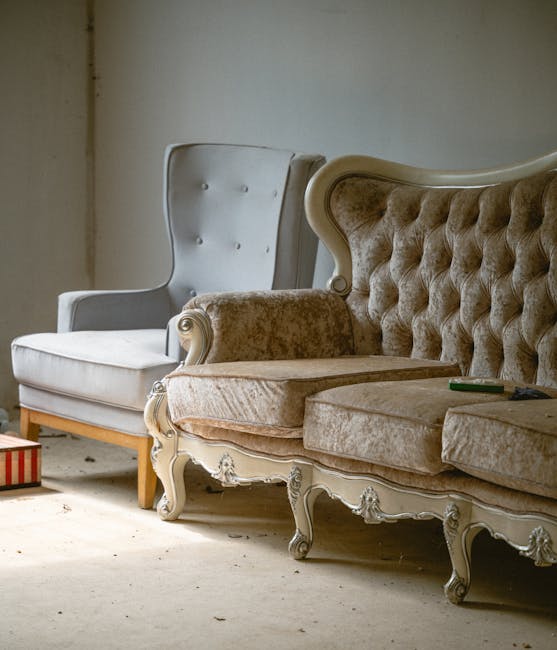
Why Bulk furniture disposal in Bloomsbury: avoid fines Matters
Bloomsbury is not the place to wing it with bulky waste. Between shared entrances, narrow pavements, permit-sensitive roads, and regular foot traffic from residents, students, and visitors, one badly handled item can become a public nuisance very quickly. A sofa left in the wrong spot, a broken wardrobe abandoned by a bin area, or a mattress dumped after dark may look like an innocent shortcut. In reality, it can trigger complaints, cleaning charges, or worse.
That is the core issue: furniture disposal is not just about getting things off your hands. It is about disposing of them in a way that fits local rules, building management expectations, and basic common sense. If you are moving out of a flat, clearing an office, or replacing old furniture in a student let, you need a plan that protects you from avoidable fines and keeps the pavement clear for everyone else.
There is also a practical side. Bulky items are awkward. They snag on stair rails, scuff walls, and suddenly need two people where you thought one would do. If you have ever tried to tilt a heavy bed base through a hallway that feels narrower than it should, you will know the feeling. Not fun. Not even a bit.
For many people, the safest approach is to combine decluttering, packing, and removal planning in one go. That is especially true if you are already juggling a move; our guide to decluttering before a move and the practical advice in organised packing for a move fit neatly into that wider plan.
How Bulk furniture disposal in Bloomsbury: avoid fines Works
At a basic level, bulk furniture disposal means arranging for large household or office items to be removed, transported, reused, recycled, or otherwise handled properly. The exact method depends on the item, its condition, and your building access. In Bloomsbury, the real challenge is usually not the item itself but the logistics around it.
Here is the typical flow:
- Sort the items. Decide what is staying, what is being donated or reused, and what genuinely needs disposal.
- Check access. Look at stairways, lifts, door widths, parking restrictions, and loading windows. This matters more than people think.
- Choose the disposal route. That might be a professional removal service, a licensed waste carrier, a reuse route, or a separate collection.
- Prepare the furniture. Remove loose parts, empty drawers, detach legs if sensible, and protect communal areas.
- Move on the agreed day. Keep to the collection time, so nothing is left sitting outside.
- Confirm responsible handling. Good providers sort items for reuse, recycling, or lawful disposal rather than treating everything as landfill.
In a place like Bloomsbury, timing matters. A collection that works beautifully at 10am can become a headache at 6pm if the road is busier, the lift is shared, or the building manager has stricter rules. For local access-sensitive jobs, it helps to understand delivery and vehicle timing patterns too, which is why our article on Brunswick Centre access and delivery timing can be a surprisingly useful read even if you are not going to the centre itself.
If you are dealing with a broader move rather than a one-off disposal, the right service setup matters. Many people pair furniture clearance with furniture removals in Bloomsbury or a more flexible man and van Bloomsbury option, depending on scale and access. Simple on paper, slightly less simple in real life.
Key Benefits and Practical Advantages
Doing bulk furniture disposal properly is not just about avoiding a fine. It brings a few very real benefits, especially in a dense London neighbourhood where space is limited and patience is short.
- Less risk of complaints. Neighbours, concierges, and building managers are far less likely to object when items are removed cleanly and on time.
- Better safety. Clear hallways and entrances reduce trip hazards and make it easier to move other belongings.
- Less damage. Furniture that is carried, wrapped, and loaded correctly is less likely to scrape walls, chip corners, or damage lifts.
- Cleaner exit process. If you are moving out, a tidy clearance helps you hand over the property in better shape.
- More responsible disposal. Reuse and recycling options can keep usable furniture in circulation and reduce waste.
- Less stress. It is easier to focus on the rest of the move when the bulky stuff is already under control.
And yes, it can save money in indirect ways. A rushed or badly planned disposal often leads to extra trips, last-minute storage, or cleaning issues. If you are balancing other moving tasks, a broader service such as removals in Bloomsbury or same-day removals in Bloomsbury may be more efficient than trying to patch together several small fixes.
Expert summary: The safest bulk furniture disposal plan is usually the one that keeps items off the pavement, keeps access clear, and keeps timing tightly controlled. Most avoidable problems happen before the van even arrives.
Who This Is For and When It Makes Sense
This topic is broader than it first appears. Bulk furniture disposal in Bloomsbury is relevant for a few different situations, and each has its own little complications.
Home movers and renters
If you are moving out of a studio, flat, or shared house, you may have old furniture that is not worth bringing along. That is especially common with bulky items like bed frames, wardrobes, sofas, and worn dining sets. Student tenants often face tight move-out windows, which makes planning crucial. Our student removals Bloomsbury page sits neatly alongside this kind of move-out work.
Landlords and letting agents
When a tenancy ends, leftover furniture can create a headache if it is not cleared promptly. The goal is simple: remove the items efficiently, leave the space compliant, and avoid complaints from the next occupant or the building.
Office managers and small businesses
Office desks, chairs, filing cabinets, and meeting tables are a different beast from domestic furniture, but the same principles apply. You need controlled removal, safe handling, and a route that avoids disruption. If that sounds familiar, office removals in Bloomsbury is the kind of service many teams look for.
People clearing after a refit or downsize
Sometimes the trigger is not a move. It is a refurbishment, a new layout, or the simple realisation that the old sideboard has had its day. If you are changing over a room, you might also find our advice on storage in Bloomsbury helpful when the decision is not quite final.
Anyone who wants the simplest path
Let's face it, not everyone wants to negotiate with bin stores, share a lift with a chest of drawers, or try to work out where the sofa should go next. Some people just want it gone, properly. Fair enough.
Step-by-Step Guidance
If you want the cleanest route and the lowest risk of fines, use a methodical process. Rushing usually creates the very problems you were trying to avoid.
- Identify every bulky item. Make a list of furniture that needs to leave. Be specific: sofa, bed base, mattress, wardrobe, desk, chairs, shelving, and any loose pieces.
- Check what can be reused. If the item is still in good condition, reuse or donation may be more sensible than disposal. That also reduces waste.
- Measure access. Measure doorways, stair turns, corridor widths, and lift dimensions. A quick measure can prevent a very awkward morning.
- Ask about building rules. If you live in a managed block, check collection times, loading bay rules, and whether items can be left outside at all. In many places, the answer is no.
- Strip items down where sensible. Remove cushions, legs, shelves, or drawers if that makes handling safer.
- Protect the route. Use covers or blankets where needed, especially around corners and stair edges.
- Book the right help. For awkward or heavy items, book a team that understands lifting technique and access planning. Our health and safety policy reflects the kind of care you should expect in this work.
- Move and clear in one go. Do not leave items sitting in communal areas "just for a minute". That minute has a habit of becoming a complaint.
- Confirm disposal or recycling. If the items are being taken away, make sure the collection is arranged with a proper disposal route.
- Leave the area tidy. A final sweep through the hallway, stairwell, or loading point is a tiny effort that can make a big difference.
For heavy lifting itself, it is worth reviewing the physical side too. Our articles on solo lifting tips for heavy object manoeuvring and kinetic lifting techniques are useful reminders that brute force is rarely the answer.
If you are moving a bed at the same time, the logistics become even more sensitive. A bed frame and mattress combination can be awkward, so our bed and mattress moving guide may save you a headache or two.
Expert Tips for Better Results
Here is where experience helps. The people who avoid fines and delays usually do a few small things well.
- Work backwards from the collection time. Give yourself more buffer than you think you need. London traffic, shared access, and lift delays have a way of eating time.
- Keep communal spaces clear. If the lift or stairwell is shared, move one item at a time rather than staging a pile in the corridor.
- Separate bulky waste from valuables. It sounds obvious, but mixed piles lead to mistakes. A stray charger, document, or decorative item can disappear into disposal by accident. That is a bad day.
- Use proper handling methods. Long items need controlled turns; heavy items need stable footing and two-person coordination where needed.
- Protect fabrics and finishes. Wrap anything with vulnerable corners. One scrape on a painted wall can cost more than the disposal itself.
- Choose the right removal scale. Not every job needs a full lorry. Sometimes a smaller vehicle is more sensible, especially on tighter Bloomsbury roads. A removal van in Bloomsbury can be a better fit than overbooking the job.
- Ask about recycling routes. Responsible disposal should not be a mystery. If the provider cannot explain what happens next, that is a mild red flag.
A tiny but useful detail: if you are clearing a flat before the weather turns damp, keep an eye on cardboard, upholstery, and wood finishes. A wet pavement at 8am is one thing; a wet sofa corner is another. No one needs that smell lingering in the hallway.
Common Mistakes to Avoid
The same mistakes come up again and again. They are easy to make, but also easy to avoid once you know them.
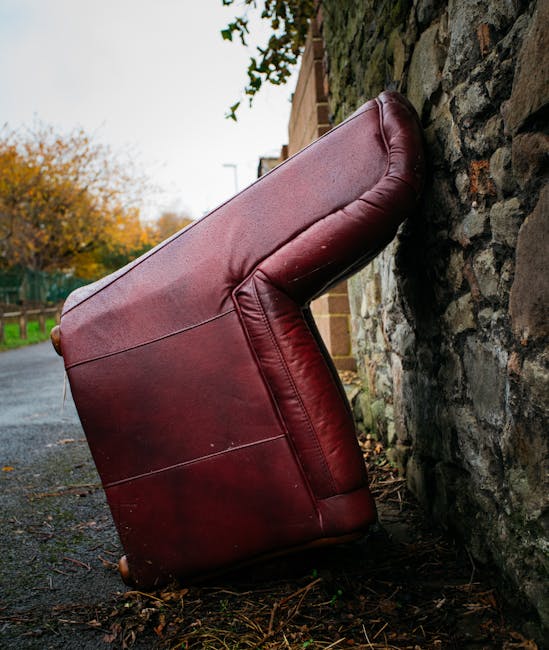
- Leaving furniture beside bins. Even if it seems harmless, it can count as fly-tipping or create a complaint.
- Assuming the council will handle everything automatically. Bulk items often need a proper booking or arranged collection. Assumptions cause trouble.
- Not checking access first. A wardrobe that fits in the room may still fail at the staircase bend. That happens more often than people admit.
- Trying to move heavy items alone. This is how backs get strained and corners get damaged. It is rarely worth the gamble.
- Forgetting building restrictions. Some blocks have loading windows, key fob limits, or requirements around lobby protection.
- Mixing up disposal and storage decisions. If you might keep the item, do not rush to get rid of it. If you are unsure, place it in temporary storage rather than dumping it. Our storage Bloomsbury page can be useful for that in-between stage.
- Booking too late. Last-minute arrangements are where stress and fees tend to pile up.
There is a quieter mistake too: people sometimes forget that furniture disposal is a coordination job, not just a lifting job. You need timing, access, the right vehicle, and a clear end destination. Miss one piece and the rest becomes harder.
Tools, Resources and Recommendations
You do not need a warehouse of equipment to dispose of bulky furniture well, but a few basic tools help a lot.
- Measuring tape for doorways, lifts, and stair turns.
- Furniture blankets or wraps to protect walls and surfaces.
- Gloves with grip for better handling.
- Dolly or sack truck for stable transport on suitable flat surfaces.
- Strong tape and bags for screws, fixings, and loose parts.
- Labels or notes to separate reuse, recycling, storage, and disposal items.
On the planning side, a few resources on this site can help you round out the job properly:
- services overview if you want a broader sense of what support is available.
- recycling and sustainability if you want a better understanding of responsible disposal thinking.
- pricing and quotes if you need to compare the cost of a professional collection.
- insurance and safety if you are checking how risk is handled on a moving or clearance job.
- about us if you want to understand the company behind the service.
If you are planning a larger move, packaging and preparation are not side issues. They are part of the same chain. A well-packed move reduces the chance of awkward leftover furniture decisions later, and our guide to packing and boxes in Bloomsbury fits neatly into that process.
Law, Compliance, Standards, or Best Practice
Without drifting into legal jargon, the basic principle is straightforward: furniture and bulky waste should be disposed of responsibly, through a lawful and appropriate route, rather than being abandoned in public or communal spaces. In practice, that means using proper collection arrangements, following building rules, and choosing services that can explain where items are going next.
In the UK, there is a clear expectation that waste is not simply dumped wherever convenient. Local borough rules, landlord conditions, and property management policies often sit alongside that expectation. You do not need to memorise every detail to do the job well, but you do need to avoid casual disposal habits. One badly placed armchair can create more trouble than you would expect.
Best practice usually includes:
- keeping items on private property until the agreed collection time;
- confirming whether the provider is handling reuse, recycling, or disposal;
- checking that the collection route does not block access routes or fire exits;
- avoiding unlabelled items in shared areas;
- using trained help for heavy or awkward furniture.
If you are handling a sensitive item, such as an antique cabinet or a piano, extra care is sensible. The wrong move can damage both the item and the building. Our guide to moving near the British Museum with antiques care is a useful reminder that some objects deserve a gentler approach, and our piano removals Bloomsbury service shows why specialist handling matters for complex pieces.
Options, Methods, or Comparison Table
There is more than one way to clear bulky furniture. The right method depends on urgency, item condition, access, and how much effort you want to spend yourself. Here is a simple comparison.
| Method | Best for | Advantages | Watch-outs |
|---|---|---|---|
| DIY disposal | Very small loads and easy access | Direct control, potentially low upfront cost | Heavy lifting, access problems, higher risk of damage or mistakes |
| Reuse or donation route | Furniture in decent condition | Lower waste, socially useful, often efficient | Not every item qualifies, timing can be less flexible |
| Professional bulky furniture collection | Mixed loads, awkward items, tight deadlines | Safer handling, less stress, better coordination | Costs more than doing it yourself, but often saves hassle |
| Move-and-store approach | When you are unsure what to keep | Buys time and avoids rushed decisions | Requires extra planning and storage costs |
For many Bloomsbury properties, the professional option makes the most sense once you factor in stairs, parking, and shared entrances. A job that looks like "just one sofa" can become a two-hour logistical puzzle. You know how it goes.
Case Study or Real-World Example
Picture a typical Bloomsbury flat move. A tenant is leaving a top-floor studio with a bed frame, old desk, compact sofa, and a battered wardrobe that will not survive another move. The hallway is tight, the lift is small, and the building manager has strict rules about keeping common areas clear.
Instead of leaving the items downstairs or trying to squeeze them out late in the evening, the tenant sorts the furniture a week ahead of time. The desk and chair are kept for reuse, the bed base is dismantled, and the wardrobe is assessed for disposal. A collection is booked for a morning slot, when the street is calmer and the access route is easiest. The items are carried out in sequence, not piled up in the corridor. The space is left tidy. No drama. No awkward note on the door.
That small bit of planning changes everything. It reduces the risk of complaints, avoids last-minute lifting, and makes the move-out far less frantic. It also protects the building fabric, which matters more than people sometimes realise. In older Bloomsbury properties, corners and stair edges can be surprisingly unforgiving.
We see the same pattern with larger family moves too. If the furniture is part of a bigger relocation, a structured service such as house removals in Bloomsbury or flat removals in Bloomsbury often gives the best balance of speed and safety.
Practical Checklist
Use this checklist before collection day.
- List every bulky item you want removed.
- Separate items for disposal, reuse, storage, and donation.
- Measure doorways, hallways, lifts, and stairs.
- Confirm any building or landlord rules.
- Choose a collection time that fits access and traffic.
- Protect floors, walls, and corners where needed.
- Break down furniture if that makes it safer.
- Keep screws and fixings in labelled bags.
- Arrange help for items that are too heavy or awkward to handle alone.
- Clear communal areas as you go.
- Check that the vehicle can park or load safely.
- Make sure the final destination is agreed in advance.
- Leave the area clean and free of loose debris.
If you want a broader move-out plan to sit alongside this checklist, our WC1 studio moving checklist can help tie the smaller details together.
Conclusion
Bulk furniture disposal in Bloomsbury does not need to be stressful, and it certainly should not be a gamble with fines or complaints. The safest approach is usually the simplest one: sort the items early, check access carefully, keep communal areas clear, and use a disposal route that is both practical and responsible. Once those basics are in place, the rest tends to fall into line.
Whether you are clearing a flat, downsizing an office, or dealing with old furniture that has reached the end of the road, the real win is the same: a tidy exit, no avoidable mess, and no nasty surprises. A bit of forethought saves a lot of faffing. And frankly, Bloomsbury already gives you enough to think about.
Get a free quote today and see how much you can save.
One last thought: the best furniture clearance is the kind you barely have to think about afterwards. It just happens, cleanly and quietly, and you can get on with the next chapter.