Moving near the British Museum: antiques & care
Posted on 22/05/2026
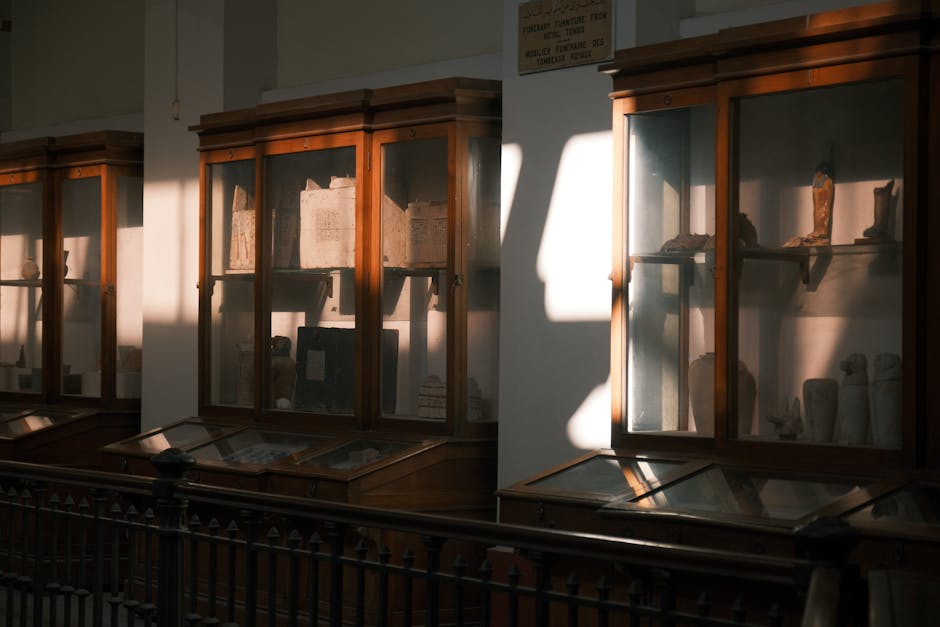
Moving in the streets around the British Museum sounds straightforward until you're standing in a narrow Bloomsbury hallway with a side table that creaks when you breathe near it, a framed print you'd rather not risk, and a box of inherited china that means more than its weight suggests. That is the reality for many moves in this part of London. Space can be tight, parking can be awkward, and antiques or delicate pieces need a bit more thought than "wrap it and hope for the best".
This guide on Moving near the British Museum: antiques & care focuses on the practical side: how to protect older furniture, artwork, mirrors, ceramics, books, and heirlooms; how to plan around local access; and how to keep the move calm enough that you can still find the kettle at the end. Whether you're moving a single flat, a family home, or a set of treasured pieces, the aim is the same: less damage, less stress, more control.
If you want broader moving advice alongside this, it can help to read our guides on organised packing for a move and a stress-free house moving guide. They pair well with the more specialist antique care advice below.
Why Moving near the British Museum: antiques & care Matters
The area around the British Museum sits in the kind of London environment that can quietly make a move harder than it first looks. You may be dealing with period buildings, narrow staircases, awkward corners, and roads where loading space disappears fast. Add antiques into the picture, and the stakes go up another notch. A chip on a modern shelf is annoying; a crack in a family cabinet or a scratched veneer on a Georgian chest is something else entirely.
Antiques are often vulnerable for reasons people don't notice at first glance. Age can mean brittle joints, weakened glue, loose marquetry, or surfaces that react badly to moisture and pressure. Even the way a piece is lifted matters. One sloppy twist at the top of a staircase can shift strain into a leg joint or split a frame. Truth be told, plenty of damage happens not during the long drive, but in the first ten seconds of moving it off the wall.
There is also a local rhythm to the area. Bloomsbury can be busy and feel quite compressed, especially at typical moving times. That means you need a plan, not just a van. If the move includes larger furniture as well as delicate items, it may be worth looking at the wider support options on our furniture removals in Bloomsbury page or the broader removal services in Bloomsbury overview.
Key point: near the British Museum, antiques and care are not a luxury extra. They are part of the moving plan itself.
How Moving near the British Museum: antiques & care Works
A careful antique move is usually built in stages. First comes assessment. Then protection. Then controlled movement. Then loading and transit. Finally, placement and inspection at the other end. It sounds tidy on paper; in real life, each stage needs a little judgment.
Start by identifying which items are genuinely fragile, historic, awkward, or high-value. That may include heirloom furniture, mirrors, framed art, porcelain, glassware, brass items, clocks, lamps, and anything with veneer, carvings, or loose parts. Not every older item is an "antique" in the formal sense, but many older pieces still need the same careful handling.
The next part is packing material selection. Soft wrapping, corner protection, double-boxing for small valuables, and breathable materials for sensitive finishes can all help. Avoid over-tight tape around delicate surfaces. It seems obvious, but people do it anyway, often while trying to keep pace with the clock.
Loading is where technique counts. Heavy objects should not be dragged if they can be lifted and carried properly. For some items, a specialist trolley, shoulder strap, or furniture glide may be more appropriate. For guidance on physical handling, our articles on heavy object manoeuvring and kinetic lifting techniques are useful companions.
Finally, there is the arrival phase. Antiques should not be dropped into a room and left to "settle themselves". Unwrap gradually, check for scuffs or movement, and place each item where it will not be knocked over during the rest of the unpacking. A lot of moving pain comes from rushing that last part.
Key Benefits and Practical Advantages
Taking antiques care seriously does more than protect the items themselves. It changes the whole move for the better.
- Lower damage risk: Proper padding and handling reduce chips, scratches, stress fractures, and joint failure.
- Better time control: Clear packing categories make unloading faster and less chaotic.
- Less emotional strain: You worry less when treasured items are clearly marked and handled with care.
- Safer lifting: The right method reduces the chance of strain or an awkward slip on stairs.
- Cleaner unpacking: Dust sheets, wrapping, and tidy labelling keep fine items cleaner in transit.
- More predictable logistics: A sensible plan helps when local access, stairs, or parking are limited.
There is another advantage that gets overlooked: good preparation lets you make better decisions. If a cabinet door already feels loose before the move, you can secure it. If a mirror frame is unstable, you can pack it separately rather than discover the problem halfway down a staircase. Small judgment calls like that save a surprising amount of trouble.
And let's face it, nobody enjoys opening a box in the new place and finding a plate that has become two plates.
Who This Is For and When It Makes Sense
This kind of careful move is useful for anyone living or relocating near Bloomsbury and the British Museum area, but it especially makes sense for people with a mix of delicate and bulky possessions. If you have antique furniture, inherited pieces, art, glass cabinets, or a collection of books and objects, you will benefit from a more measured approach.
It is also a sensible route if:
- you are moving from a flat with narrow stairs or limited lift access;
- your furniture includes fragile joinery, veneers, or decorative surfaces;
- you want a same-day or tightly timed move with less room for error;
- you are downsizing and need help deciding what should be packed, stored, or transported separately;
- you are moving valuable items and want a clearer paper trail for condition and handling.
If you're in the middle of deciding what to take and what to leave behind, a little decluttering first can make the antique care plan much easier. Our guide on decluttering before a move is a practical place to start.
People moving into student flats or smaller London homes can also find this relevant, especially when older furniture has to fit through tight spaces. For that side of the move, our flat removals in Bloomsbury and man and van Bloomsbury pages may help you compare approaches.
Step-by-Step Guidance
Here is a practical way to organise the move without overcomplicating it. Keep it simple. Simple is good.
- Walk through the property and identify vulnerable items. Make a short list of antiques, older furniture, artwork, mirrors, and anything with loose pieces.
- Photograph items before packing. Take clear pictures of surfaces, corners, joints, labels, and any existing wear. This is useful for tracking condition.
- Group by fragility, not just by room. A ceramic vase and a lamp may need similar wrapping even if they live in different rooms.
- Prepare the right packing materials. Use acid-free tissue where suitable, wrapping paper, bubble wrap for cushioning, sturdy boxes, and plenty of tape. Avoid letting sticky tape touch finished surfaces.
- Secure moving parts. Remove shelves if practical, tape drawers shut with care, and protect glass panels or loose ornaments separately.
- Wrap and label clearly. Mark which side should stay upright, which boxes are fragile, and which items belong together. Clear labels save time later.
- Measure routes in advance. Doorways, stair turns, landings, and the van itself all matter. The item may fit the room but not the corner, which is annoyingly common.
- Load the vehicle carefully. Put heavier, stable items low and secure lighter fragile boxes so they cannot shift.
- Unload in the right order. Bring in the antiques and fragile items once the path is clear, not after the room is full of random boxes.
- Inspect, then unpack slowly. Check each item before you rush ahead. A slow five minutes here is worth more than a panicked hour later.
For box selection and packing supply advice, our packing and boxes in Bloomsbury page is a handy resource, especially if you need the right sizes rather than just a mountain of cardboard.
Expert Tips for Better Results
A few habits make a disproportionate difference, and they are all pretty straightforward.
Use a condition log for valuable pieces
This does not need to be fancy. A simple note on your phone listing the item, its condition, and any existing marks is enough. If a sideboard already has a hairline scratch, note it. That way, you can separate old wear from new damage.
Protect surfaces, not just edges
People often worry about corners and forget flat surfaces. Antique polish, lacquer, and veneer can suffer from rubbing just as easily as impact. Use soft layers against the finish, then a cushioning layer outside that.
Don't overpack heavy boxes
A small box full of books can be harder on your back than a large box full of linens. It is a bit of a trap. Keep weight manageable and reserve tiny boxes for genuinely dense items.
Use climate sense, even for a short move
Antiques do not usually need museum-level environmental control for a local move, but they do not like damp, heat, or direct rain. If you are waiting outside near the curb on a wet day in London, keep wrapped items protected and minimise the time they sit exposed.
Be realistic about DIY lifting
Some items are absolutely manageable with the right technique; others are a bad idea to handle alone. If something feels awkward before you have even started, that is your cue to stop and rethink. Our guides on moving a bed and mattress and avoiding common DIY mistakes with pianos show how specialised handling really changes the outcome.
Expert summary: the best antique move is the one where you slow down before anything gets heavy.

Common Mistakes to Avoid
Most damage in moves like this comes from a handful of familiar mistakes. None of them are dramatic. They are just easy to make when you are tired.
- Wrapping too late: If you wait until the van is at the door, you rush. Rushed packing is messy packing.
- Using too much tape on delicate finishes: Tape can leave residue or mark old surfaces. Keep it away from visible finishes where possible.
- Dragging furniture across floors: This can damage both the item and the property. Lift or use proper sliders.
- Mixing antiques with general house contents: Delicate items should not be buried under random kitchen gear.
- Ignoring the route: The item may be fine, but the stairwell might not be. Always check the route first.
- Forgetting to secure drawers and doors: Movement inside the item can damage joints or swing open during transit.
- Assuming all "old" items are sturdy: Age does not equal strength. Quite the opposite, often enough.
A small real-world example: someone once prepares a hallway perfectly, then leaves a wobbly table lamp on top of a chest "just for a minute". That minute turns into a knock, a wobble, a crack. Tiny shortcuts do the damage. The good news? They are easy to avoid once you spot them.
Tools, Resources and Recommendations
You do not need a warehouse full of equipment, but a few sensible tools will make life easier.
- Quality wrapping paper: Better for delicate surfaces than recycled newspaper, which can transfer ink.
- Bubble wrap and foam sheets: Good for cushioning, though they should not touch all surfaces for too long if you are packing sensitive finishes.
- Sturdy boxes in varied sizes: Small boxes for weight, medium boxes for mixed fragile items, large boxes only for light goods.
- Furniture blankets: Helpful for larger antique furniture, especially around corners and doors.
- Cargo straps and ties: Essential in the van so items do not shift in transit.
- Gloves with grip: Useful when handling smooth or awkward pieces, especially on stairs.
- Marker pens and labels: Nothing glamorous, but you will miss them instantly if they are absent.
For the transport side of the move, it can be worth reviewing options on our removal van in Bloomsbury and man with a van Bloomsbury pages. If you need storage for items while you redecorate or wait for keys, have a look at storage in Bloomsbury.
One more practical point: if you are moving into a busy street near the museum, parking and loading access can shape everything. This is where local planning matters, and our post on parking tips near Russell Square gives a useful sense of how these central London moves can play out.
Law, Compliance, Standards, or Best Practice
For most household moves, there is no special antique-moving law as such, but there are still important standards and duties to respect. The main issues are safety, property care, and fair handling of goods.
In the UK, removal work should be carried out with attention to general health and safety expectations. That means using suitable lifting methods, avoiding preventable injury, and taking reasonable care around property and public spaces. If a mover is handling items for you, it is sensible to ask how they manage risk, what their insurance arrangements are, and what happens if something goes wrong. For a more detailed overview, our insurance and safety page explains the basic approach in plain English.
Best practice also includes clear communication. If an item is particularly valuable, fragile, or awkward, say so early. If access is tight, mention it before moving day. If you need to store items first, that should be agreed in advance, not discovered halfway through the job. No one likes surprises when a grand piano or a glass-fronted cabinet is involved.
When comparing services, check the terms and conditions carefully, ask about payment security, and make sure you understand what is and is not covered. It is not about being awkward; it is about being sensible. Our pages on payment and security and terms and conditions are there for that reason.
If you prefer a company overview before booking, the about us and services overview pages can help you understand the service structure.
Options, Methods, or Comparison Table
Not every move near the British Museum needs the same level of service. The right choice depends on how many antiques you have, how heavy they are, and how much help you want on the day.
| Method | Best for | Pros | Watch out for |
|---|---|---|---|
| Self-pack and self-move | Small numbers of light, manageable items | Cheaper upfront, full control | Higher risk if items are fragile or routes are awkward |
| Man and van support | Moderate moves with a mix of furniture and boxes | Flexible, often practical for central London | Still requires good packing and planning from you |
| Full removals service | Larger homes, antique collections, complex access | Less manual stress, better coordination | Needs early booking and clear item details |
| Storage first, move later | Renovations, delayed completion, staged downsizing | Gives you breathing room | Requires good labelling and storage conditions |
To be fair, most people end up using a mix of these approaches. A few fragile items may be packed separately, heavier furniture may go with a van team, and some pieces may be stored temporarily. There is no prize for doing everything the hard way.
Case Study or Real-World Example
Here is a realistic example drawn from the sort of move that happens all the time around Bloomsbury. A couple relocating from a second-floor flat near the British Museum had a walnut sideboard, two framed prints, a small porcelain collection, and several bookcases filled with old books. Nothing museum-grade, but plenty worth protecting.
Before moving day, they took photographs, cleared the sideboard drawers, removed loose shelves, and wrapped each framed print separately. The porcelain collection was double-boxed, with paper between each piece so they would not rattle. They also measured the staircase properly, which turned out to matter because the sideboard could only be angled one way on the landing.
On the day, the move went in stages. Fragile items were taken first, then the larger furniture, then the books in manageable boxes. The team avoided placing any heavy item directly on top of wrapped antique surfaces, and everything was checked before being moved into the new flat. There was still a bit of chaos, because moving always has a touch of that, but it was controlled chaos. Much better than the alternative.
The couple's main takeaway was simple: the move felt easier because the antiques were treated as a separate category, not just "more stuff to carry". That mindset change made the whole thing more orderly and, honestly, less stressful.
Practical Checklist
Use this checklist a day or two before the move. If you can tick most of it off, you are in good shape.
- Photograph all antique or fragile items from several angles
- Record any existing damage or wear
- Gather wrapping paper, bubble wrap, tape, boxes, blankets, and labels
- Separate valuables from general household boxes
- Remove loose parts, shelves, drawers, or ornaments where appropriate
- Measure doorways, stair turns, lifts, and corridors
- Confirm parking and loading arrangements for the street outside
- Decide which items need special handling or storage
- Keep essential documents and small valuables with you
- Check insurance, service terms, and payment details in advance
- Prepare the destination room so fragile items can be placed safely
- Plan a slow inspection once each antique arrives
Practical takeaway: if you can reduce rushing, you usually reduce damage. That is the whole game, really.
Conclusion
Moving near the British Museum is a very specific kind of London move: busy streets, limited space, period buildings, and often a home full of objects that deserve more care than a standard box-and-stack approach. When antiques are involved, preparation is not optional. It is the thing that keeps the move steady, sensible, and far less nerve-racking.
The best results usually come from a mix of patient packing, honest assessment, careful lifting, and a route plan that fits the local area. If you take the time to separate fragile items, measure awkward spaces, and choose the right level of support, you give yourself a much better chance of a smooth day. And yes, the move may still feel busy. But it can be a manageable kind of busy, which is a world apart.
If you are planning a move in Bloomsbury and want a team that understands the practical realities of central London access, delicate furniture, and careful handling, it is worth exploring the local service options and asking the right questions early. That little bit of forethought tends to pay back nicely.
Get a free quote today and see how much you can save.